


The Russian oligarch mysterious deaths timeline has become a major topic of global interest since 2022. A series of deaths involving Russia-linked businessmen, energy executives, and public figures has led to ongoing debate, media scrutiny, and repeated calls for independent investigations.
Some of these cases were officially described as suicides, accidents, or family tragedies. Yet in multiple instances, relatives, colleagues, and commentators said the explanations did not make sense to them. Because of that, the deaths of several high-profile figures connected to Russian business and political networks continue to raise serious questions.
This article offers a neutral, reader-friendly overview of the reported pattern, the main cases discussed in media coverage, the leading explanations, and why the subject remains so widely searched online.
Introduction
Since the beginning of 2022, reports of Russia-linked businessmen deaths since 2022 have appeared regularly in international media. The stories often involved wealthy executives from the oil, gas, and banking sectors, as well as individuals with direct or indirect ties to state institutions or influential political circles.
What made these cases especially notable was not just the number of deaths, but the circumstances often attached to them. Several involved falls from windows or other heights. Others were said to be suicides. In some instances, family members were also found dead, creating even more public concern.
The Russian oligarch mysterious deaths timeline is now a search topic that combines politics, wealth, secrecy, and unanswered questions. For some observers, the pattern suggests intimidation or targeted killing. For others, it reflects a mix of personal crises, pressure, corruption disputes, and elite competition.
The truth may vary from case to case, which is why the topic remains so difficult—and so important—to examine carefully.
Why the Russian Oligarch Mysterious Deaths Timeline Matters
The reason this topic gained international traction is simple: the deaths seemed to affect a specific category of people. Many of those reported dead were not random public figures. They were often wealthy, influential, and connected to strategic industries in Russia.
That drew attention for several reasons:
- Many worked in oil, gas, or finance
- Some had direct or indirect ties to Kremlin-linked circles
- Repeated reports described unusual or unclear circumstances
- Friends and relatives sometimes rejected the official narrative
- The deaths occurred during a period of war, sanctions, and rising pressure
These details transformed isolated incidents into a broader public discussion.
The phrase Russian oligarch mysterious deaths timeline has become popular because readers are trying to make sense of whether the incidents are connected, exaggerated, or simply unresolved.
Overview of the Reported Pattern Since 2022
The most commonly reported forms of death in these stories fall into three categories:
1. Falls From Windows or Heights
A number of deaths were reported as falls from windows, balconies, or elevated locations. This recurring detail became one of the most widely discussed aspects of the story.
2. Alleged Suicides
Several deaths were officially described as suicides. However, in some cases, families and colleagues said they could not believe the deceased would have taken their own life.
3. Sudden or Unexpected Accidents
Other incidents were described as accidental or unexpected deaths, though commentators still questioned whether every case had been fully explained.
Together, these events created a broader narrative around suspicious Russian businessmen deaths and Russian elite unexplained deaths.
Key Case: Ravil Maganov
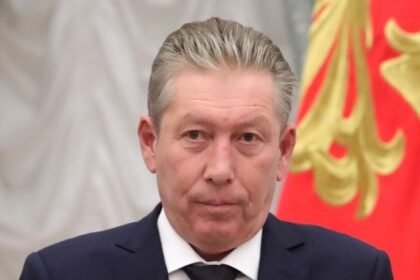
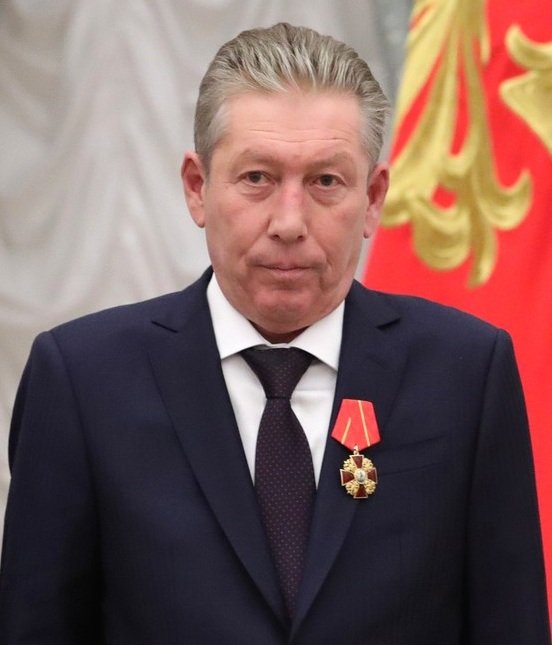
One of the most high-profile names in the Russian oligarch mysterious deaths timeline is Ravil Maganov, the chairman of Lukoil.
Reports said Maganov died after falling from a window at the Kremlin Hospital. The case drew extraordinary attention due to several details mentioned in news coverage:
- He was a senior leader in one of Russia’s major oil companies
- The death reportedly involved a hospital window fall
- CCTV cameras were said to be turned off for repairs
- President Vladimir Putin was reportedly visiting the same hospital on that day
- Some associates reportedly said they did not believe he was suicidal
Even when reported in cautious, neutral language, this combination of factors made the case stand out globally. It became one of the best-known examples cited whenever people discuss mysterious deaths of Russian oligarchs or Russian energy executives unusual deaths.
Other Early Cases That Drew Attention
While Maganov became one of the most recognizable names, he was not the first.
Leonid Shulman
Leonid Shulman, a transport chief linked to Gazprom, was reportedly found dead in the bathroom of his country house in the Leningrad region. Reports said a suicide note was found nearby.
His death was one of the earliest examples repeatedly mentioned in discussions of Russia-linked businessmen deaths since 2022.
Vladislav Avayev
Vladislav Avayev’s case attracted major attention because it was reported as a murder-suicide involving his family. That explanation was later questioned by former colleague Igor Volobuyev, who reportedly believed the event may have been staged.
Sergey Protosenya
Sergey Protosenya, a former Novatek executive, was found dead along with members of his family in Spain. His son reportedly said his father was not a murderer and that the deaths had been carried out by someone else. Novatek also called for a thorough and impartial investigation.
These cases fueled ongoing interest in the Russian officials suspicious deaths timeline and added to broader debates over what might really be happening.
Why Families and Colleagues Questioned Official Explanations
One of the strongest reasons the Russian oligarch mysterious deaths timeline remains widely searched is that many people close to the deceased did not accept the official stories.
Family Members Expressed Shock
According to the source material, friends and relatives often described it as “unthinkable” that these businessmen had taken their own lives. In some cases, they also rejected claims that the deceased had killed spouses or children.
Colleagues Suggested Staging
Statements from former associates, such as Igor Volobuyev, helped intensify public skepticism. When insiders openly suggest a death may have been staged, the case naturally receives greater scrutiny.
Companies Requested Independent Investigations
Corporate statements also mattered. In the Protosenya case, Novatek reportedly described him as a family man and called for a detailed and impartial inquiry.
These reactions do not prove wrongdoing on their own. But they show why the reported conclusions were not universally accepted.
Major Theories Behind Russia-Linked Businessmen Deaths Since 2022
There is no single explanation that everyone agrees on. Instead, several theories continue to circulate.
Theory 1: Political Intimidation or Elimination
Some critics argue that powerful individuals in strategic sectors may have been targeted because they were seen as disloyal, risky, or in possession of sensitive information.
Businessman and Kremlin critic Bill Browder has publicly argued that influential business figures may be removed to send a message to others. This interpretation is often cited in discussions of Russia oligarch deaths analysis.
Theory 2: Elite Power Struggles
Another theory is that some deaths may be connected to rivalries among powerful factions rather than a single top-down operation. In this view, influential groups may be competing over money, influence, and survival.
Theory 3: Personal Crisis and Suicide
Some commentators caution against assuming every case is part of a coordinated campaign. Russia has a high suicide rate, and the pressure on business elites after 2022 was intense. Financial, legal, and psychological strain may have contributed to real personal crises.
Theory 4: Corruption and Financial Exposure
Investigative reporting referenced in the source material suggested some deaths may be linked to major accounting fraud involving Gazprom-related executives. If so, the motive could include silencing people who knew too much about money flows or hidden business networks.
The reality may be that different cases have different causes.
The Role of Sanctions, War Pressure, and Financial Stress
After the invasion of Ukraine, Russian business leaders faced a dramatically changed environment. That context matters when evaluating the Russian oligarch mysterious deaths timeline.
Sanctions Changed the Business Climate
International sanctions disrupted assets, contracts, travel, banking access, and business credibility abroad. Wealthy figures who once operated globally found themselves under pressure from multiple directions.
Political Pressure Increased
Executives in strategic sectors may have faced demands to demonstrate loyalty while also navigating uncertainty, personal risk, and business decline.
Mental Health Strain May Have Deepened
The source material notes that suicides may have increased in the Russian business community due to the weight of war-related stress and sanctions. This does not explain every case, but it is an important factor in any balanced analysis.
Understanding the surrounding pressure helps explain why the Russian business elite death cases became so difficult to interpret.
Fraud, Elite Rivalries, and Other Possible Motives
One of the less publicized but highly important angles in the Russian oligarch mysterious deaths timeline is the possibility of financial wrongdoing.
According to the referenced reporting, some deaths may be connected to large-scale accounting fraud involving Gazprom executives. The claim suggested money may have been diverted through networks tied to associates, relatives, and people with links to security or military structures.
If true, this opens several possible motives:
- Silencing insiders who knew too much
- Protecting hidden financial channels
- Preventing exposure of corruption
- Removing rivals in business conflicts
- Settling internal disputes among elite networks
This explanation differs from a purely political theory, but it still points to high-stakes power struggles within powerful circles.
Why Window Falls Became a Repeated Symbol in Reports
When readers think about suspicious Russian businessmen deaths, one detail often comes up first: window falls.
This happened because repeated reports involving falls from windows or heights created a memorable and disturbing pattern. Whether all of those incidents are related is another question, but the image itself became central to media coverage.
Why It Resonated
- It is visually dramatic
- It appears unusual when repeated
- It creates strong public suspicion
- It is easy for headlines to frame as mysterious
As a result, even cases with limited confirmed information quickly attracted attention once a fall from a window was reported.
Challenges in Investigating High-Profile Deaths
A major reason the Russian oligarch mysterious deaths timeline remains unresolved is that high-profile investigations are hard to verify from the outside.
Common Investigation Barriers
- Limited access to official documents
- Restricted or incomplete public reporting
- Politically sensitive institutions
- Conflicting witness statements
- Fear among insiders and associates
- Difficulty proving motive in closed systems
Because of these obstacles, many cases stay in the public eye without reaching a clear conclusion.
This uncertainty is one of the reasons the topic continues to rank in search interest. People are not only looking for facts; they are looking for clarity.
What the Russian Oligarch Mysterious Deaths Timeline Tells Us
Although each case is different, several broad conclusions can be drawn.
1. The Pattern Is Real Enough to Merit Attention
There have been enough unusual deaths among Russia-linked elites to create a legitimate international news pattern.
2. Public Doubt Has Been Strengthened by Family Reactions
When relatives challenge official conclusions, public skepticism grows.
3. The Context of War and Sanctions Matters
The events did not happen in isolation. They unfolded during one of the most pressured periods in recent Russian economic and political history.
4. Not Every Case Must Have the Same Cause
It is possible that some deaths were suicides, some accidents, and others linked to political, financial, or criminal motives.
5. Transparency Remains the Biggest Missing Piece
Without open investigations, many of these cases will remain disputed for years.
Conclusion
The Russian oligarch mysterious deaths timeline remains one of the most discussed and unsettled topics in international political reporting since 2022. The deaths of wealthy executives, energy leaders, and Russia-linked public figures have raised serious questions because of the unusual circumstances often attached to them.
Some see a pattern of intimidation or elimination. Others believe the cases reflect a more complicated mix of personal crisis, elite rivalry, corruption, and pressure linked to war and sanctions. What is clear is that many of the deaths continue to generate doubt, especially when family members and colleagues reject official explanations.
Until more transparent investigations are available, the full truth behind many of these incidents may remain uncertain. For readers, journalists, and researchers, the best approach is to stay focused on evidence, avoid overstatement, and recognize that unresolved cases require careful, balanced reporting.
FAQ
What is the Russian oligarch mysterious deaths timeline?
The Russian oligarch mysterious deaths timeline refers to a series of reported deaths involving Russia-linked businessmen, executives, and officials since 2022, many of which were described in media reports as unusual or suspicious.
Why are these deaths considered suspicious?
They drew attention because several involved similar patterns, such as falls from windows, alleged suicides, or family deaths. In a number of cases, relatives and colleagues publicly questioned the official explanation.
Was Ravil Maganov one of the most famous cases?
Yes. Ravil Maganov, chairman of Lukoil, became one of the most discussed figures in the broader timeline after reports said he died following a fall from a hospital window.
Are all the deaths believed to be connected?
No. Some analysts believe the cases may involve different causes, including suicide, accidents, elite rivalries, financial disputes, or political pressure. There is no single explanation accepted by everyone.
Why do families often ask for independent investigations?
Families sometimes reject the idea that their relatives died by suicide or committed violence against loved ones. Because of that, they have called for more transparent and impartial reviews.
Could sanctions and war pressure have played a role?
Yes. The business and political pressure created by war and sanctions may have increased stress, fear, and instability for high-profile figures in Russia’s strategic industries.
Disclaimer
The content presented in this article is based on publicly available information and is intended for informational and educational purposes only. While every effort has been made to ensure accuracy, details surrounding ongoing or unsolved cases may change over time as new information becomes available.
This article does not intend to make accusations, assign guilt, or interfere with any active investigation. Any individuals mentioned are presumed innocent unless proven guilty in a court of law.
The views and interpretations expressed are those of the writer and do not represent official statements from law enforcement agencies or affiliated organizations.
This content may include sensitive topics related to crime and violence. Reader discretion is advised.
If you have any information related to this case, please contact the appropriate local authorities.
Case Source:
This case information was compiled from publicly available sources, including official records, news reports, and case archive websites such as wikipedia This article is intended for informational and educational purposes only, and all information is based on sources believed to be accurate at the time of writing.